
Background
What Is Blastocystis?
Why Was Blastocystis Considered a Parasite?
Evidence for a Healthier Gut Association
Does Subtype Determine Friend or Foe?
An Ecosystem Engineer, or Simply a Passenger?
What Remains Unknown?
References and Further Reading
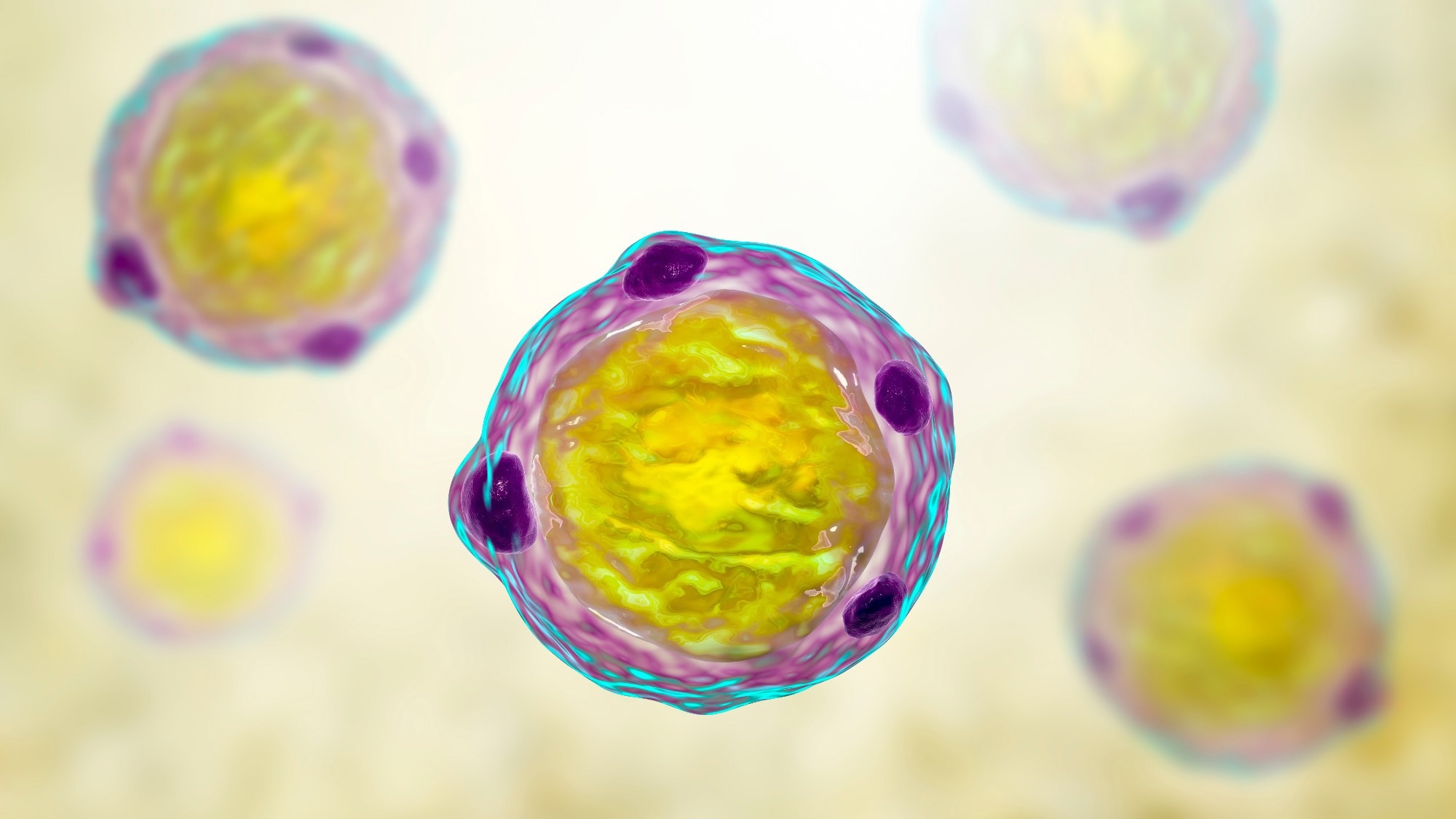
Blastocystis is a common intestinal protist whose relationship with human health varies according to genetic subtype, gut microbiome composition, and host characteristics. Emerging research links its colonization to greater bacterial diversity and favorable metabolic traits, although its potential to promote inflammation or protect intestinal health remains under investigation.
Image credit: Kateryna Kon/Shutterstock.com
Background
Blastocystis is a common intestinal protist whose role in human health remains uncertain. Although historically regarded as a potential pathogen, emerging research suggests that its effects may vary according to genetic subtype, host characteristics, and interactions with the gut microbiome. Its association with greater bacterial diversity, plant-rich diets, and favorable metabolic traits has prompted growing interest in its potential role in intestinal health.1,2,3,4
This article explores whether Blastocystis is a friend or foe, examining its potential role in gut health, bacterial diversity, dietary patterns, inflammation, and metabolic outcomes, alongside its genetic diversity and possible links to gastrointestinal disease.
What Is Blastocystis?
Blastocystis is a single-celled eukaryotic protist found in the intestinal tracts of humans and other animals. Taxonomically, it belongs to the stramenopiles, a diverse group of eukaryotes. Unlike many other stramenopiles, it is non-flagellated and possesses mitochondrion-related organelles adapted to low-oxygen environments.1
The prevalence of Blastocystis varies across populations and geographical regions, partly reflecting differences in sanitation, hygiene practices, environmental exposure, diet, and host characteristics. Transmission occurs primarily through the fecal–oral route, particularly through ingestion of environmentally resistant cysts in contaminated food or water, although contact with infected animals may also contribute to its spread.4
Molecular studies have identified numerous Blastocystis subtypes, each with potentially different associations with gastrointestinal disorders and host health outcomes. Consequently, detecting Blastocystis does not necessarily indicate disease. Its biological significance may depend on subtype diversity, interactions with the surrounding microbiome, and host characteristics.1,3,5
Subtypes are distinguished principally through variation in the small-subunit ribosomal RNA gene. More than 40 subtypes have been described across human and animal hosts, although the number recognized continues to change as molecular classification advances. ST1–ST4 are among the subtypes most commonly detected in humans, and subtype designation does not by itself establish pathogenicity.3,4
Why Was Blastocystis Considered a Parasite?
Researchers considered Blastocystis a potential intestinal parasite because it was detected in individuals with gastrointestinal symptoms, including diarrhea, abdominal pain, bloating, nausea, and altered bowel habits. Although some studies have associated its presence with these symptoms, others have found no consistent relationship, leaving its role in intestinal disease uncertain.1,4
Determining its pathogenicity is challenging because Blastocystis is also frequently detected in asymptomatic individuals. Its presence alone does not establish causation, as gastrointestinal symptoms may arise from infections, inflammation, dietary factors, or functional disorders. Coinfections and differences in host immunity may further influence clinical outcomes. Therefore, researchers distinguish between organism detection, disease association, and direct causation.1,3,4
Laboratory studies have identified potential pathogenic mechanisms, including cysteine protease activity, degradation of secretory immunoglobulin A, altered epithelial tight junctions, increased intestinal permeability, and stimulation of inflammatory responses. However, these mechanisms are not necessarily shared by all subtypes or isolates, and their demonstration in experimental systems does not establish that colonization causes symptoms in an individual patient.1,3,4
This uncertainty has encouraged investigations into Blastocystis as a potential component of the gut ecosystem. Researchers are examining its genetic subtypes, interactions with intestinal bacteria, and relationship with host health to understand whether it contributes to disease, coexists harmlessly, or reflects the broader intestinal environment.2,3
Evidence for a Healthier Gut Association
An increasing number of studies indicate that the presence of Blastocystis is linked to differences in gut microbiome composition. Studies in healthy individuals often show greater bacterial diversity among people colonized with the protist. Moreover, it has been reported that the level of abundance of specific groups of bacteria, such as those belonging to the phylum Firmicutes (now called the phylum Bacillota) and Bacteroides, varies greatly in the presence of Blastocystis. Associations have also been reported with bacteria involved in producing short-chain fatty acids, including certain members of the Clostridia, although the direction and strength of these associations vary between studies. These findings have contributed to the view that Blastocystis may be a marker of a more diverse intestinal ecosystem rather than simply an indicator of parasitic infection.1,3
Researchers discussed associations between Blastocystis carriage and diets rich in plant-based foods, including vegetables and other sources of dietary fiber. Such diets can influence bacterial fermentation, metabolite production, and intestinal microbial diversity. A plant-rich dietary pattern may therefore support both Blastocystis colonization and the development of a diverse bacterial community. However, it remains unclear whether the protist independently contributes to these changes or whether both are consequences of the same dietary and environmental factors.2,3
Emerging research has also associated Blastocystis carriage with favorable cardiometabolic characteristics and differences in inflammatory markers. These observations have raised interest in whether the organism could serve as a potential indicator of metabolic health. Nevertheless, an association with favorable health characteristics does not demonstrate that colonization directly improves metabolism or reduces inflammation. Diet, physical activity, host genetics, and other components of the microbiome may influence these relationships. Current evidence therefore does not justify deliberately acquiring Blastocystis to improve metabolic health. Longitudinal human studies are needed to determine how these factors interact over time and whether Blastocystis has an independent role in shaping health outcomes.1,3
Does Subtype Determine Friend or Foe?
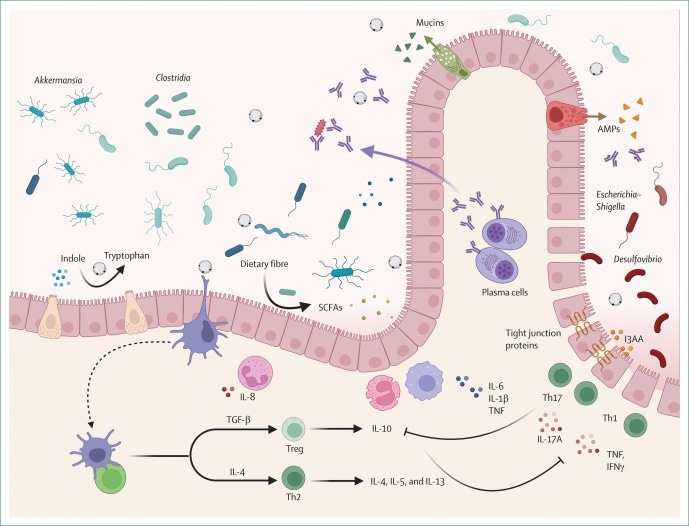
The genetic diversity of Blastocystis is central to understanding its potentially different effects on human health. Molecular studies show that some subtypes are common in humans, while others are found in specific animal hosts. Genotype differences may affect its interactions with gut microbes, its ability to survive in the intestines, and its associations with the host’s immune system.1,3,5
Research suggests that different subtypes may have contrasting effects on intestinal health. Some experimental investigations have associated particular subtypes with greater bacterial diversity, improved intestinal barrier function, or reduced inflammatory responses. Other findings suggest that certain subtypes may promote inflammation or interfere with the intestinal epithelial barrier. For example, experimental studies of ST7 have demonstrated disruption of epithelial barrier components and pro-inflammatory effects. Conversely, ST1 colonization has been associated with increased abundance of Akkermansia and reduced severity of experimentally induced colitis in mice. ST4 has shown both barrier-disrupting and potentially protective effects in different experimental settings, indicating that outcomes may depend on the isolate, associated bacteria, and experimental context.3
These differences offer a possible explanation for the conflicting results of studies examining gastrointestinal symptoms and Blastocystis carriage. However, observations from experimental models must be distinguished from clinical evidence in humans, and subtype-specific effects require further investigation.3,5
Reliable subtype identification may therefore become increasingly important in research and diagnostic practice. Polymerase chain reaction (PCR)-based methods can help detect Blastocystis and distinguish its genetic subtypes, providing more detailed information than detection alone. PCR-based testing generally offers greater analytical sensitivity than conventional stool microscopy, but detecting a particular subtype does not currently provide a reliable standalone prediction of disease or determine the need for treatment. Combining molecular characterization with clinical information, dietary assessments, and microbiome analysis could help researchers determine which host–protist relationships are associated with health or disease.1,4
An Ecosystem Engineer, or Simply a Passenger?
The possibility that Blastocystis actively shapes the gut microbiome has become an important research question. The presence of intestinal protists can affect the way microbial communities function and how certain bacteria thrive in the intestines. Depending on the microbial communities present, the intestinal barrier and host immune responses may be affected. Thus, researchers started investigating whether Blastocystis is involved in preserving or altering ecological stability.1,3,5
Experimental research has provided some insights into these mechanisms. Laboratory cultures and animal studies have indicated that certain subtypes of Blastocystis can modify intestinal inflammation and gut microbiota, possibly through changes in epithelial barrier function, interaction with immune cells, or changes in microbial metabolites. Proposed mechanisms include altered short-chain fatty acid production, tryptophan metabolism, and modulation of immune responses involving regulatory T cells and inflammatory T-helper-cell pathways. However, this finding does not prove that the same mechanism works in people under usual conditions. There may be significant differences due to host species, experimental conditions, and type of protist used.1,3,5
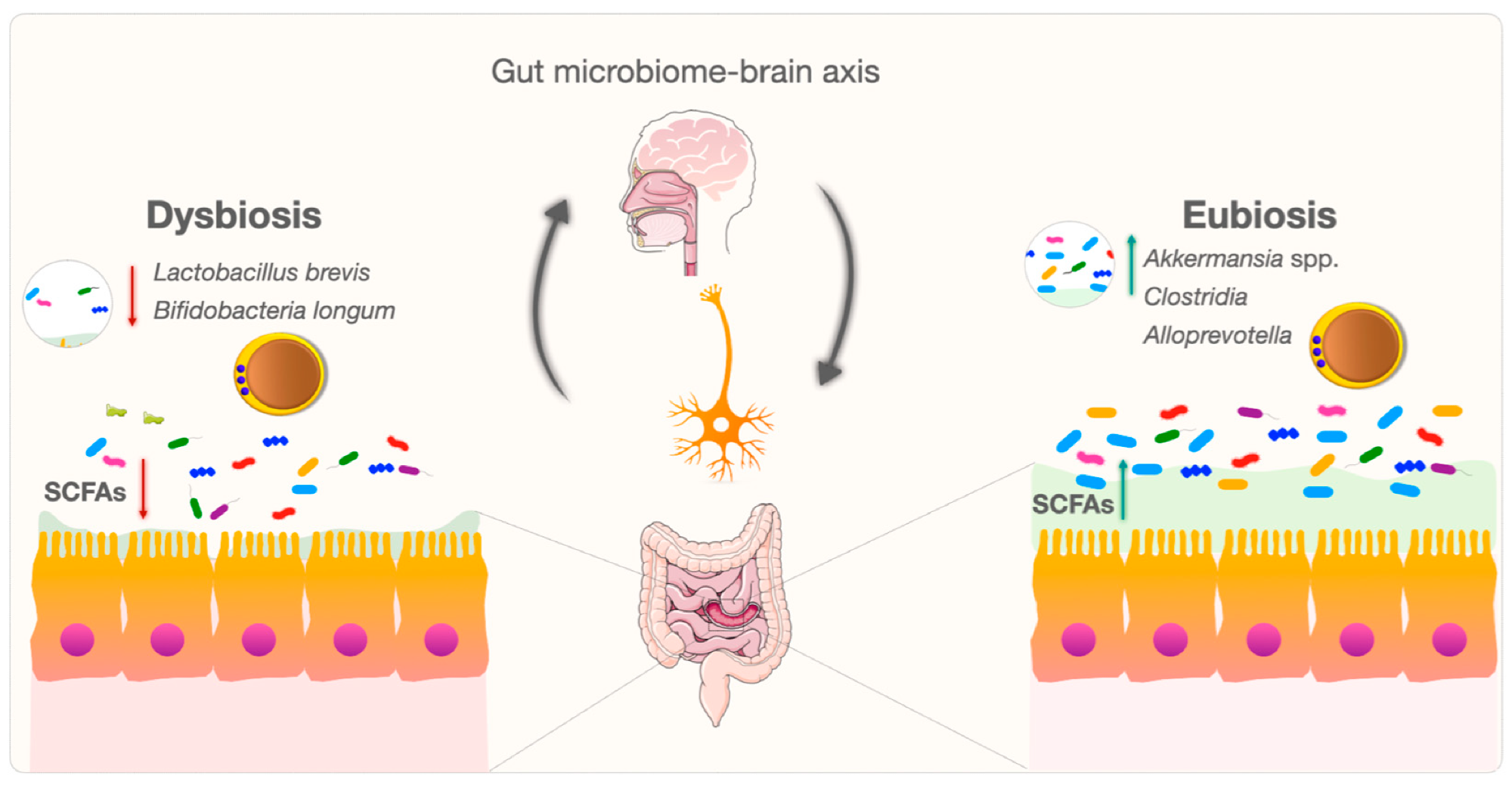
A further hypothesis proposes that Blastocystis may itself harbor microorganisms. Historical microscopy investigations described bacteria-like structures and virus-like particles within some Blastocystis cells. A 2026 review revisited these observations and proposed that the protist could function as a potential holobiont, consisting of the host cell and associated microorganisms. However, the identity, persistence, biological activity, and possible symbiotic functions of these structures have not been conclusively established. Modern single-cell and molecular investigations are needed to distinguish genuine endosymbionts from ingested microorganisms, contamination, or cellular structures.5
An alternative explanation is that Blastocystis acts primarily as a passenger within an existing microbial ecosystem. A gut environment shaped by a fiber-rich diet, favorable bacterial communities, and other host characteristics may support its colonization. Under this interpretation, its association with greater bacterial diversity reflects the environment in which it thrives rather than a direct beneficial effect. Both possibilities may operate in different circumstances, making it important to investigate the direction of the relationship between colonization and intestinal health.1,2,3
The concept of Blastocystis as a potential gut “ecosystem engineer” remains an active research hypothesis. Establishing such a role will require evidence that the organism directly changes microbial communities or host physiology and that these changes have meaningful consequences for health. Understanding its interactions with other microorganisms could eventually inform research into microbiome-based interventions, but its therapeutic potential remains to be established.3,5
What Remains Unknown?
Despite growing interest in Blastocystis, its role in human health remains uncertain. Researchers are investigating why its presence is associated with favorable microbial characteristics in some populations but gastrointestinal symptoms or inflammation in others. Genetic subtypes, host immunity, dietary habits, geographical differences, and interactions with other microorganisms may explain these contrasting findings. Larger longitudinal studies are needed to clarify these relationships.1,3,4
Diagnostic interpretation also remains challenging because detecting Blastocystis does not establish the cause of gastrointestinal symptoms. Molecular techniques can improve detection and subtype identification, but further research is needed to determine which characteristics predict clinically meaningful outcomes.1,4
Treatment decisions are similarly complicated by uncertainty about pathogenicity. Researchers have investigated metronidazole and other antimicrobial treatments for symptomatic cases, but responses vary, and successful organism clearance does not necessarily show that Blastocystis caused the original symptoms. Asymptomatic detection alone does not establish a need for eradication. Persistent gastrointestinal symptoms require clinical assessment for other potential causes.4
Its potential therapeutic value is another important research question. Understanding whether particular subtypes influence intestinal health or contribute to disease could inform future microbiome-based interventions, although their safety and effectiveness require investigation. Future work should also establish whether proposed intracellular microbial associates of Blastocystis exist as stable symbionts and whether they influence its metabolism, survival, or interactions with the host.1,3,5
Ultimately, Blastocystis may act as a microbial partner, potential pathogen, or passenger, depending on the host and intestinal environment.
References and Further Reading
- Aykur, M., Malatyalı, E., Demirel, F., Cömert-Koçak, B., Gentekaki, E., Tsaousis, A. D., & Dogruman-Al, F. (2024). Blastocystis: A mysterious member of the gut microbiome. Microorganisms. 12(3). DOI: 10.3390/microorganisms12030461,
- King, A. (2025, June 19). Single-celled organisms set for greater role in gut health. Nature. DOI: 10.1038/d41586-025-01916-0,
- Deng, L., & Tan, K. S. W. (2025). From parasite to partner: Unravelling the multifaceted role of Blastocystis in human health and disease. The Lancet Microbe. 6(9). DOI: 10.1016/j.lanmic.2025.101155,
- Pawelec-Pęciak, O., Łanocha-Arendarczyk, N., Grzeszczak, K., & Kosik-Bogacka, D. (2025). The Role of Blastocystis spp. in the Etiology of Gastrointestinal and Autoimmune Diseases. Pathogens. 14(4), 313. DOI: 10.3390/pathogens14040313,
- Shaw, D., Gentekaki, E., & Tsaousis, A. D. (2026). The Microbiome Within a Microbe: Rethinking Blastocystis Biology. Journal of Eukaryotic Microbiology. 73, e70056. DOI: 10.1111/jeu.70056,
Last Updated: Oct 20, 2026